
Published on
Many Value Driver Models Fail at the Design Stage
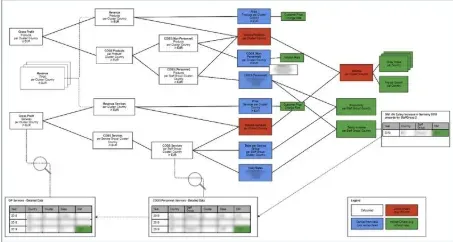
We see this often in our projects: companies arrive at the kick-off with a very concrete idea of the finished model. Slides are prepared, sometimes working Excel models are already on the table. The expectation is: please just implement this technically.
In practice this approach produces models that look impressive but do not deliver day to day. They become unnecessarily complex, hard to follow, and lose sight of the actual point: better decisions.
A good value driver model does not come from reproducing existing structures. It comes from designing backwards from the goal.
The right starting point is always the central steering questions. Which decisions should the model improve? Which hypotheses should it be able to test?
Only then come the selection of relevant metrics, the discussion of value drivers, and finally the data question: which data do we need, and at what granularity is it both sensible and available?
The result is a model that stays flexible and gets used, instead of ending up in a drawer.
The sequence decides everything. A model that starts from the available data ends up answering the questions the data permits. Not the ones management asks.