
Published on
AI in Controlling Can Do a Lot. So Why Do We Use So Little of It?
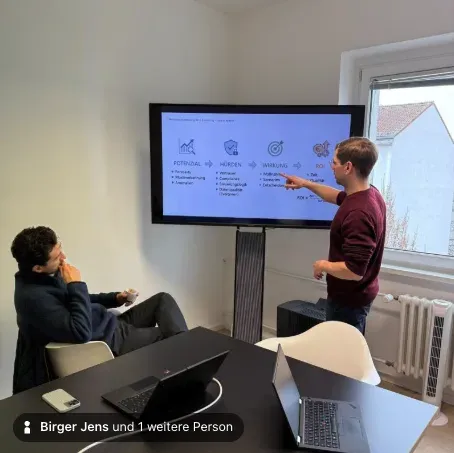
Technically a great deal is possible today. Forecasting, pattern recognition, anomaly detection. The tools work, and so do the models. Yet the day-to-day benefit often stays limited.
In practice we keep seeing the same picture. It is not the choice of model that decides but data quality. And even when anomalies are detected, they rarely reveal new problems, but ones controlling already knew about.
The decisive point comes afterwards: what has to happen once a variance is detected?
Without clear steering logic, without defined responses, and without organisational consequence, AI stays a very good observer. And a poor driver of decisions.
Real benefit only appears when variances get processed systematically: into measures, into scenarios, and so into genuine steering impulses.
The gap is rarely in the model. It sits between detecting and deciding.